A Legacy on Wheels
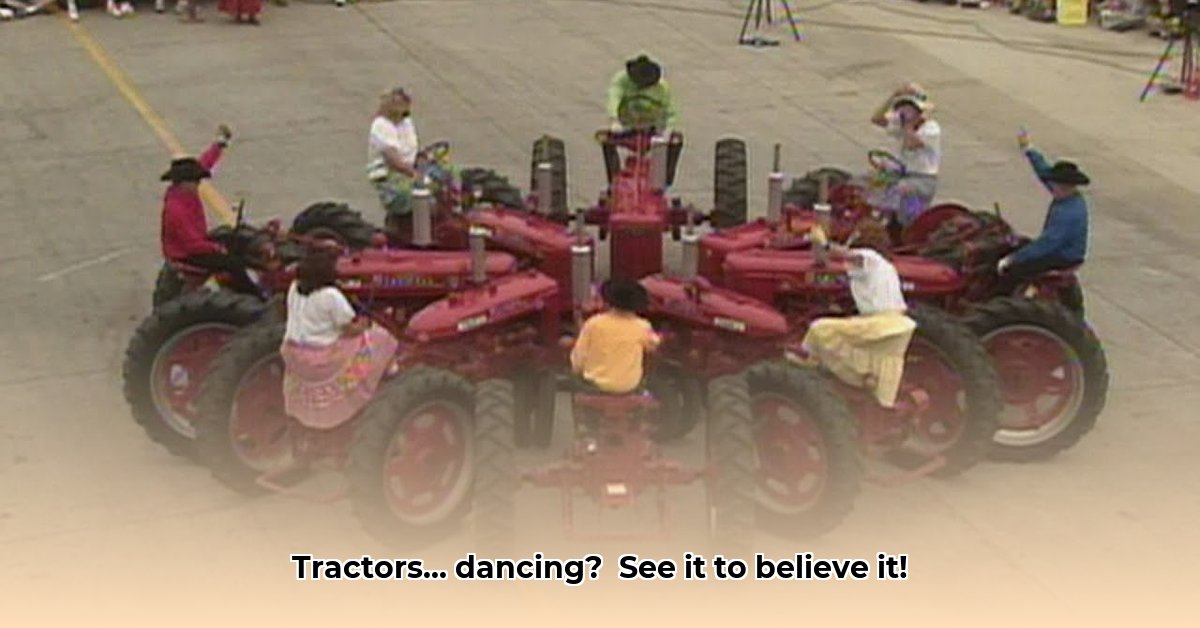
Imagine a sun-drenched afternoon, the air thick with the scent of hay, the gentle hum of antique tractors transforming into a surprisingly rhythmic beat. This isn't just any farm scene; this is tractor dancing—a unique blend of agricultural heritage, community celebration, and pure, unadulterated fun. But this cherished tradition, like many others, faces challenges. This article explores the history and cultural significance of tractor dancing, examines the obstacles it confronts, and offers actionable steps for preserving this vibrant tradition for generations to come.
For more tractor-themed fun, check out Tractor Ted Episodes. Did you know that the precise origins of tractor dancing remain somewhat elusive? However, early tractor parades and promotional events in the mid-20th century, often featuring playful displays of machine dexterity, suggest its humble beginnings. These weren't just machines; they were (and are) extensions of the farmers themselves, carrying the stories and memories of generations past.
A History Unearthed: From Ads to Celebrations
While the exact genesis is shrouded in the mists of time, evidence points to the emergence of tractor dancing alongside the mechanization of farming in the mid-20th century. Early tractor parades and promotional stunts in the 1950s, frequently showcasing playful maneuvers, hint at the tradition’s roots. These early exhibitions evolved into organized events, showcasing both the skill of the drivers and the enduring spirit of rural community. Today, dedicated groups across the United States are keeping this unusual practice alive, passing down techniques and choreography within families, ensuring the tradition's continuity.
More Than Just a Show: The Heart of Tractor Dancing
The true heart of tractor dancing lies in its community focus. These aren't mere performances; they're joyous celebrations of shared heritage, strengthening intergenerational bonds and fostering a profound sense of belonging. "Tractor dancing is more than just a spectacle; it's a testament to the resilience and creativity of rural communities," says Dr. Emily Carter, Agricultural Historian, University of Illinois. But challenges loom. Fewer young people are embracing the tradition, a vital concern for its long-term survival. The aging of the current participant base also threatens the loss of invaluable knowledge and skills. How can we safeguard this unique piece of cultural heritage?
Keeping the Wheels Turning: Securing the Future of Tractor Dancing
Preserving tractor dancing necessitates a multi-faceted strategy:
Training the Next Generation: Formal training programs are essential, encompassing both tractor operation and the choreography of tractor dancing. These programs should also include hands-on instruction in antique tractor maintenance.
Community Engagement: Active recruitment of younger generations is critical. Family-friendly events that emphasize the fun and community spirit can reignite interest and attract new participants.
Harnessing Technology: Social media and other digital platforms offer significant opportunities to promote tractor dancing and reach a broader audience.
Collaboration & Funding: Secure long-term funding through sponsorships, grants, ticket sales, and merchandise. Partnerships with agricultural organizations and local businesses are crucial to resource sustainability.
Navigating the Challenges: A Risk Assessment
| Risk Factor | Likelihood | Impact | Mitigation Strategy |
|---|---|---|---|
| Loss of tractor-driving skills | High | High | Comprehensive training programs, apprenticeships, collaboration with vocational schools. |
| Aging participant base | High | Medium | Aggressive recruitment of younger members, outreach programs, family-friendly events. |
| Lack of funding | Medium | Medium | Diversified funding streams (grants, sponsorships, ticket sales), meticulous budgeting. |
| Accidents/Negative Publicity | Low | High | Stringent safety protocols, liability insurance, thorough risk assessments, proactive communication. |
| Lack of national coordination | Medium | Low | Establishing a national association for resource sharing and increased awareness. |
How to Start a Tractor Square Dancing Group
Key Takeaways:
- Tractor square dancing uniquely blends agricultural heritage with community spirit.
- Strong community bonds and innovative problem-solving are essential for success.
- Securing sponsorships and adapting to changing circumstances are crucial for sustained growth.
- Engaging younger generations ensures the tradition's longevity.
- This activity offers opportunities for rural economic development and agritourism.
Inspired to start your own tractor dancing group? Here's how:
Gather Your Crew: Find tractors in good working order, ideally with vintage charm. Recruit passionate individuals of all ages and backgrounds.
Choreograph Your Moves: Begin with simple routines, adapting traditional square dance steps to tractor capabilities. Prioritize safety throughout practice.
Plan Your Show: Secure a suitable location and sponsors. Showcase the unique blend of heritage and entertainment in your proposals.
Cultivate Growth: Form a non-profit or club for stability. Document routines and share best practices. Explore merchandise sales or unique fundraising events.
Looking Ahead: A Future Full of Promise
Despite the hurdles, the spirit of tractor dancing endures. With concerted effort, we can ensure this marvelous tradition thrives for generations to come. By fostering collaboration, investing in training, and promoting tractor dancing as a form of agritourism, we can safeguard its rich history while shaping a vibrant future. The rhythmic chug of engines, the laughter of dancers, and the energy of community – these are the treasures worth preserving. It's more than just tractors moving; it's hearts dancing in unison.